Credit Cards
Santander Everyday Credit Card Review: 34 Months 0% APR
Save on interest by moving high-interest credit card debt to Santander with a lengthy 0% balance transfer period.
Advertisement
Note: The information provided in this article is accurate at the time of publication, but may be subject to change or cancellation by the card issuer.
How Santander’s Everyday Long Term Balance Transfer Card Can Cut Debt
Effective credit management requires tools that let users consolidate debts, control outgoings, and avoid extra costs. This card is designed to support precisely those goals.
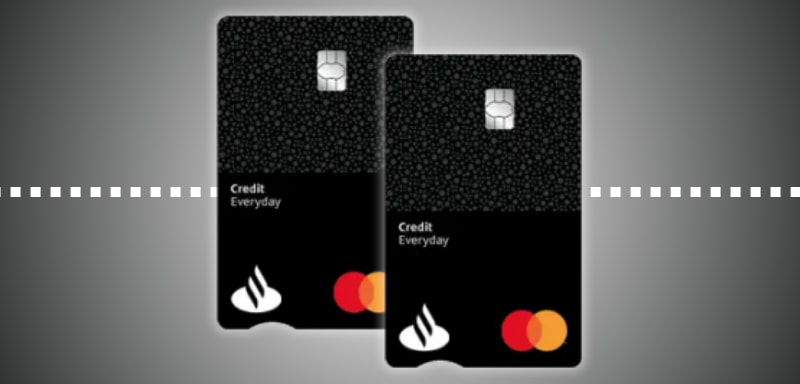
With interest-free periods on both balance transfers and purchases, it encourages smart financial decisions. It fits individuals seeking breathing room while repaying outstanding credit card balances.
This review covers essential information: visually comparing features, eligibility, costs, fees, protections, application steps, and how to get the best from this type of card.
Santander Everyday Balance Transfer Card Key Facts Overview
| Annual fee | £0 (no monthly account fee) |
| Interest rates (APR) | 24.9% APR (variable) on purchases; 0% on balance transfers for 34 months |
| Introductory offers | 34 months 0% interest on balance transfers; 3 months 0% on purchases |
| Balance transfer fee | 3.15% (minimum £5) |
| Other costs | Foreign transaction fee: 2.95%; Cash withdrawal fee: 3% (min £3), 29.9% p.a. interest on withdrawals |
| Credit score requirement | Good to excellent credit recommended |
| Eligibility | Must be UK resident, at least 18, income £10,500+, good credit history |
| Suited for | Those wanting to consolidate and manage existing credit card debt |
| Less ideal for | Anyone prioritising rewards or international purchasers |
| Takeaway | Check eligibility before applying. Use interest-free period to maximise savings and pay down debts. |
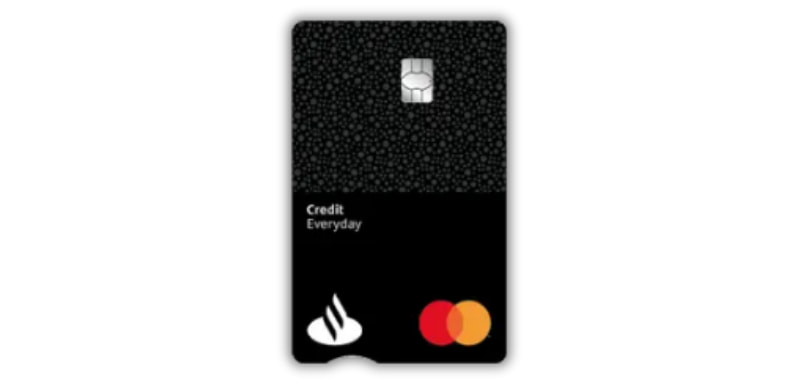
Santander Everyday Balance Transfer Card: Overview and Core Features
This card emphasises simplicity and extended repayment time. Its core function is to let users move balances from other credit cards and pay no interest for nearly three years.
The long 0% period on balance transfers is among the longest in the market. Users can transfer several card balances onto one account, streamlining monthly repayments into a single transaction.
Alongside balance transfers, cardholders benefit from three months’ 0% interest on purchases, giving flexibility when extra spending is unavoidable at the outset.
Tools like mobile and online banking, extra cardholder options, and Santander Boosts reward users for shopping and help track finances between devices.
This balance transfer card doesn’t suit everyone, but if repaying debt faster while avoiding interest matters, it’s a practical pick with straightforward terms and transparent fees.
Pros and Cons: Balancing Santander Everyday Balance Transfer Card Benefits and Trade-Offs
Understanding the card’s advantages and limitations is key to determining if it fits your needs. Here are the primary considerations for this kind of credit card.
Pros
- Long 0% balance transfer period lets users save on interest and repay balances systematically over nearly three years.
- No monthly account fee helps keep ongoing costs simple, making it easier to plan and budget.
- Consolidating multiple cards onto one account simplifies management, minimises risk of missed payments, and clarifies debt reduction targets.
- 0% interest on purchases for the first three months provides breathing space when immediate expenses arise during a card switch or transfer process.
- Mobile app features and account alerts foster better repayment habits and keep users informed about limits, payments, and promotional periods.
Cons
- Balance transfer fee of 3.15% reduces savings if the transferred amount is high—users should always calculate net benefit before applying.
- Once the introductory period ends, interest rates on remaining balances revert to the standard variable rate; failing to clear debts can result in extra charges.
- International transactions and cash withdrawals involve higher fees and interest, so alternatives may be needed for travel or emergency cash access.
- Users looking for rewards, ongoing cashback, or enhanced perks may find this card’s benefits too limited for ongoing use after balance transfers are paid down.
- Strict eligibility checks make the card less accessible to those with less-than-perfect credit or those who recently opened multiple other credit accounts.
Eligibility Criteria: What You Need to Apply

The typical holder of this card needs a good credit history and stable income. Most balance transfer cards are not designed for building credit from scratch or for those with frequent missed payments.
Applicants should prepare documents verifying identity (such as a UK driving licence or passport) and proof of permanent residency. A record of annual income exceeding £10,500 is standard.
Issuers commonly require applicants not to hold similar cards with the same provider. They may also reject those recently bankrupt or involved in insolvency proceedings.
Building habits such as on-time repayment and budget discipline will support not only your approval but your success in reducing debt after account opening.
How to Apply for the Santander Everyday Balance Transfer Card
Applying for a credit card like this is a structured process. Taking these steps helps ensure a smooth outcome and prepares you for responsible card ownership.
- Review the latest terms, including interest rates, balance transfer fees, and eligibility requirements. Confirm that your needs and repayment goals will be met by the card’s specific features.
- Gather essential information, such as your National Insurance number, recent proof of income (like payslips), and current address. This helps ensure a speedy application and minimises delays.
- Check your credit report through a free service. Address any errors or mismatches, and resolve outstanding debts where possible before proceeding.
- Apply using the official online application channel or in branch if you prefer personal support. Complete all sections accurately, double-checking your contact and employment details.
- Once submitted, the issuer will run a credit check. This may result in an instant decision, but manual review is sometimes needed if details require clarification.
- If approved, await delivery of your physical card. Review included instructions on activating your card and setting up balance transfers as part of the activation flow.
Activate your card as soon as it arrives, set up any relevant Direct Debits, and add your online or mobile banking credentials for simple account management from day one.
Ideal Users: Who Benefits Most from This Card?
This credit card suits users with multiple credit card debts seeking to consolidate payments into one balance, alongside those who value a long period to pay interest-free.
Organised individuals with a plan to pay off transferred balances within the promotional window maximise benefits. They save on interest while avoiding new purchases that could jeopardise repayment progress.
Users comfortable managing fixed repayments and setting up reminders, Direct Debits, or account alerts are most likely to keep costs down and use the card positively.
For anyone looking for simplicity, structure, and predictable costs during debt payoff periods, this card’s features align well.
Who Should Consider Other Options?
Applicants hoping for ongoing cashback, premium rewards, or travel perks after clearing balance transfers may feel underwhelmed by this card’s sparse ongoing incentives.
Individuals with fair or limited credit profiles may not meet eligibility thresholds, facing higher risk of rejection or lower credit limits if accepted.
Those frequently spending in foreign currencies, withdrawing cash, or making large international purchases can incur extra fees. Other card types provide better options for these needs.
Anyone prone to running up new balances on transferred cards, or unable to budget for future repayments, should look for alternatives that reward positive spending or offer lower ongoing APRs.
Final Thoughts: Should You Choose The Santander Everyday Balance Transfer Card?
The Everyday Long Term Balance Transfer Credit Card stands out for its 34-month interest-free period and no ongoing account fees—making it powerful for disciplined debt reduction.
Its 3.15% transfer fee and lack of ongoing rewards might disappoint those looking for extras, but clarity and structure serve many practical needs.
If your goal is consolidating debt, keeping costs low, and repaying on a clear timeline, this card brings real advantages for focused users.
Before applying, compare the card’s latest terms and your personal repayment plan to ensure you will benefit, setting yourself up for a brighter financial future.
Trending Topics

Plenti Personal Loans Review: Digital and Fast Lending
Explore Plenti Personal Loans: flexible terms and fast approval. Check out our full review to see how Plenti can help you—or not.
Keep Reading
You may also like

Bank of Melbourne Vertigo Credit Card review: Affordable Rates
Explore the advantages of the Bank of Melbourne Vertigo Credit Card. Enjoy low interest rates and other perks. Read our review for more!
Keep Reading