Having trouble getting approved for credit cards? This could be your entry point
Credit One Bank Secured Card: Earn cashback while rebuilding your credit!
Advertisement
Many people want to improve their credit but don’t qualify for traditional cards yet. A secured card can bridge that gap by turning a refundable deposit into a credit limit. The Credit One Bank Secured Card adds the bonus of cashback on select purchases.
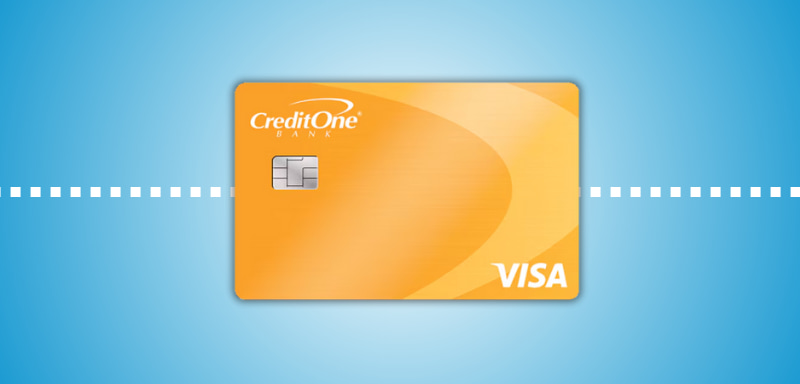
Secured cards offer a practical solution by reducing risk for the lender while giving you a chance to prove reliability. The Credit One Bank Secured Card combines credit reporting with basic rewards — take a closer look and see if it fits your credit-building goals.
You will remain in the same website
“I realized rebuilding my credit was possible — once I stopped waiting for approval”
See how Maria used a secured card to rebuild trust with her credit

Maria is a 34-year-old medical assistant living in San Antonio, Texas. After a divorce and a period of financial instability, her credit score took a hit.
She had steady income again, but every unsecured credit card application ended in rejection. She didn’t need rewards or luxury perks — she needed a way back in.
When Maria learned about the Credit One Bank Secured Card, the concept finally made sense. By putting down a refundable security deposit, she could open a card that reported to all three credit bureaus.
It wasn’t a shortcut, but it was a clear path forward — one that let her rebuild credit on her own terms.
Pros and cons Maria discovered:
Pros
- Refundable security deposit sets credit limit
- Reports to all three major credit bureaus
- Earns cashback on eligible purchases
- No annual fee
- Designed for rebuilding or limited credit
- Easy account alerts and mobile management
Cons
- Requires an upfront security deposit
- Cashback applies only to certain categories
- High APR if carrying a balance
- Not a long-term rewards card
Maria started small. She used the card for gas and a few monthly bills, keeping balances low and paying them off every month. Watching on-time payments appear on her credit report gave her confidence she hadn’t felt in years.
The Credit One Bank Secured Card didn’t fix her credit overnight — but it gave Maria something more important: a second chance built on consistency, patience, and control.
Credit One Bank Secured Card Review
Explore the benefits of the Credit One Secured Credit Card — from cash back rewards to monthly reporting that supports credit health.
FAQ: Credit One Bank Secured Card
The Credit One Bank Secured Card can be easier to qualify for because your deposit reduces lender risk. It’s often chosen by people who want predictable approval and a clear path to rebuilding credit responsibly.
Your refundable security deposit typically becomes your credit limit. As long as the account is closed in good standing, that deposit is returned, making it more of a temporary commitment than a permanent cost.
Yes. By reporting payments to all three major credit bureaus, the card allows you to establish new positive payment history, which can help offset past negative marks over time.
Unlike many secured cards, the Credit One Bank Secured Card offers limited cashback on eligible purchases. While rewards aren’t the main focus, they can add small value during the credit-building process.
It can be, especially for small, predictable purchases. Using the card lightly and paying it off monthly helps build credit without risking high balances or interest charges.
Carrying a balance can be costly due to a high APR. This card works best when balances are paid in full each month to avoid interest and protect your credit progress.
Yes. The Credit One Bank Secured Card reports activity to Experian, Equifax, and TransUnion, which is essential for building a well-rounded and consistent credit profile.
Responsible use can help. On-time payments and low balances may improve your credit score, making it easier to qualify for better cards, loans, or lower interest rates in the future.
Its combination of credit bureau reporting, no annual fee, and limited cashback makes it stand out among secured options, though it still requires disciplined use.
Credit-Building Credit Cards: Pros, Cons, Common Mistakes, and How to Use Them Effectively
Credit-building credit cards are often one of the first options people consider when they want to improve their financial situation. Whether you’re just starting your credit journey or working to recover from past missteps, these cards offer a second chance. Still, despite their potential, they’re frequently misunderstood and misused. Knowing how credit-building cards actually work is essential to making progress without unnecessary setbacks.
Below, we’ll break down the real benefits, drawbacks, common errors, and smart strategies for using credit-building credit cards the right way.
The Benefits of Credit-Building Credit Cards
1. Help create or repair your credit history
Credit-building cards report your activity to the major credit bureaus. When used responsibly, on-time payments and low balances can gradually strengthen your credit profile.
2. Easier access for fair or limited credit
These cards are designed for people who may not qualify for traditional rewards cards. Many are accessible to those with fair credit or minimal credit history, making them a realistic starting point.
3. Encourage responsible credit behavior
With lower credit limits, these cards promote thoughtful spending, balance control, and timely payments — habits that are far more valuable than rewards early on.
4. Open the door to better options later
Consistent, responsible use can help you qualify for cards with lower fees or rewards in the future, making credit-building cards a stepping stone rather than a long-term solution.
The Drawbacks to Consider
1. Few or no rewards
Most credit-building cards don’t offer cashback or points. Their main value lies in credit reporting, not perks or incentives.
2. Higher interest rates or fees
Some cards charge annual fees or carry high APRs, which makes them unsuitable for carrying balances over time.
3. Smaller initial credit limits
Lower limits are common and can feel restrictive if you’re not mindful of how much of your available credit you use.
4. Not meant for long-term use
Once your credit improves, continuing with a higher-fee credit-building card may no longer be the most cost-effective choice.
Common Pitfalls People Experience
1. Carrying balances from month to month
Interest charges can add up quickly. Carrying a balance can slow credit improvement and increase financial stress.
2. Using too much of the available credit
High credit utilization can hurt your credit score, even if you always pay on time.
3. Missing due dates
Payment history is the most important factor in credit scoring. Missing even one payment can significantly delay progress.
4. Treating it like a rewards-focused card
Credit-building cards aren’t designed to maximize perks. Expecting rewards can lead to frustration and poor financial decisions.
How to Use Credit-Building Cards the Smart Way
1. Pay the balance in full every month
This helps you avoid interest charges while building a strong, positive payment history.
2. Keep credit usage low
Using only a small percentage of your available credit supports healthy utilization and helps protect your credit score.
3. Use the card for predictable expenses
Recurring purchases like groceries, fuel, or subscriptions are ideal for building consistent payment behavior.
4. Track your credit progress
Review your credit reports periodically to confirm payments are being reported accurately and improvements are happening.
5. Prepare for your next upgrade
As your credit improves, start looking for opportunities to move to lower-fee or rewards-based credit cards.
Final Thoughts
Credit-building credit cards may not come with flashy perks, but they can play a powerful role in improving your financial future. When used with intention and discipline, they can serve as a solid foundation for better credit opportunities — without rushing the process or adding unnecessary complexity.
Looking for a straightforward way to build credit? Consider the Avant Credit Card.
If your main goal is improving your credit rather than earning rewards, the Avant Credit Card can be a practical option. It’s designed for people with fair or limited credit and focuses on reporting responsible activity to all three major credit bureaus — without requiring a security deposit.
While it doesn’t offer cashback or perks, the Avant Credit Card keeps things simple by giving you a clear opportunity to demonstrate on-time payments and healthy credit use. That clarity can matter more than rewards when you’re rebuilding your financial profile.
If you’re looking for a basic, unsecured card to help move your credit in the right direction, the Avant Credit Card offers a straightforward path forward without unnecessary complexity.
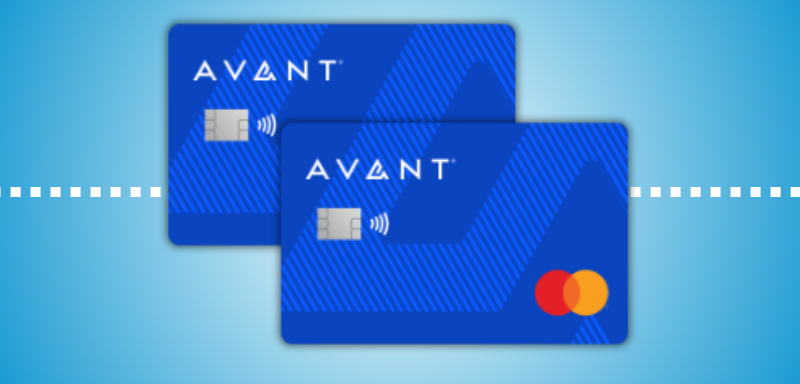
Avant Credit Card Review: Credit Builder for Fair
Fair credit or limited history? Avant Credit Card makes credit accessible with simple approval and monthly reporting to credit bureaus.
Disclaimer: This page is for informational and educational purposes only and does not constitute financial advice. Readers should carefully assess their own financial situation and consult the official channels of each credit card issuer to verify available offers, terms, and eligibility based on their credit profile.
Trending Topics

How to Do a Balance Transfer Step by Step (Without Making Costly Mistakes)
Learn how to do a balance transfer step by step, avoid common mistakes, and use lower interest to pay off debt more effectively.
Keep Reading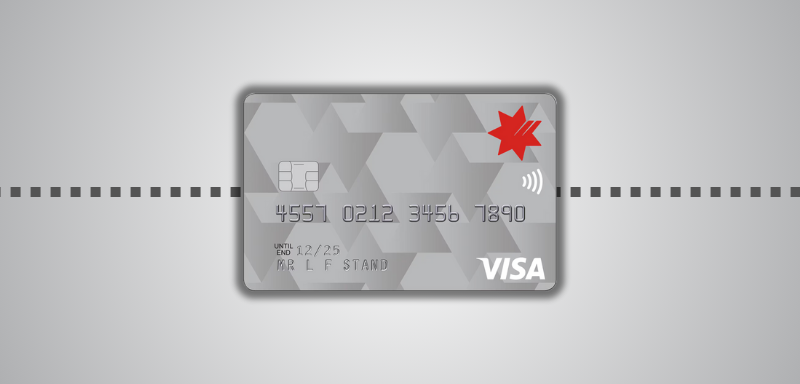
NAB Low Fee Credit Card review: Say Hello to More Savings
Meet your new money-saving BFF! NAB Low Fee Credit Card has a $30 annual fee and up to 55 interest-free days. Perfect for savvy spenders!
Keep ReadingYou may also like
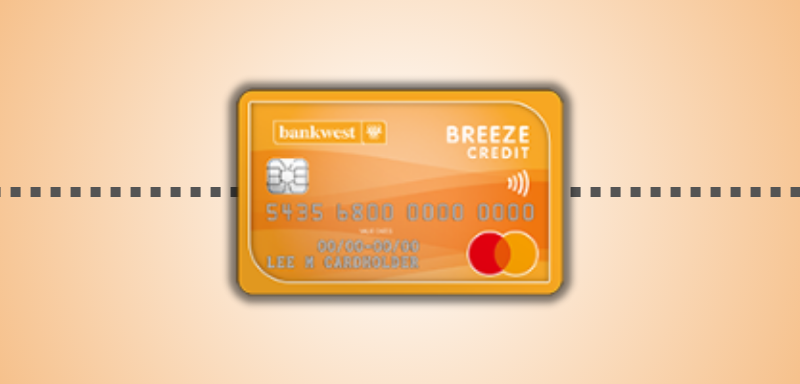
Bankwest Breeze Mastercard review: Your Go-To Low Rate card
Find out why the Bankwest Breeze Mastercard is a smart choice for those wanting low ongoing rates and excellent starter offers.
Keep Reading
Debt Consolidation: When Is It Worth It?
Simplify your debt repayment with smart strategies. Learn when debt consolidation saves money and when it might not be the best option.
Keep Reading
Australian Military Bank Personal Loan review: Up to $75,000, apply online
Find out why the Australian Military Bank Personal Loan is a reliable choice for borrowing up to $75,000. No collateral required!
Keep Reading