If your credit card feels harder to manage than it should, this card could help make it easier.
Tesco Balance Transfer Credit Card — Up to 36 Months at 0% Interest
Advertisement
If interest on your current credit card balances is slowing you down, this Tesco Bank card offers a long 0% interest period on balance transfers, giving you breathing room to manage repayments—plus the chance to collect Clubcard points on spending.
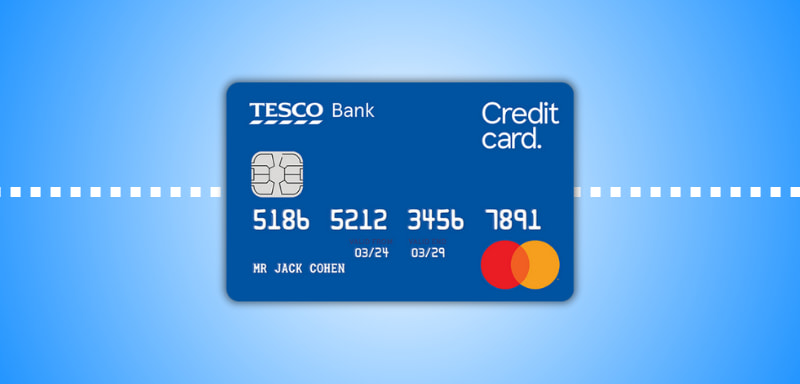
With the Tesco Balance Transfer Credit Card you get a long promotional window and Clubcard points on spending
You will remain in the same website
“I wasn’t overspending — I was drowning in interest”
See how Rachel used a balance transfer credit card to finally get ahead
Rachel is a 39-year-old HR assistant living in Reading, UK. She wasn’t bad with money, but over time, small balances across multiple credit cards turned into a serious problem. High interest rates meant that every payment felt pointless — most of it disappeared into interest.
She wasn’t looking to spend more or open credit for shopping. What Rachel needed was breathing room.
After comparing options, she applied for the Tesco Balance Transfer Credit Card, offered by Tesco Bank. The appeal was straightforward: a long introductory period on balance transfers, allowing her to move existing debt and stop interest from compounding.
Rachel understood there would be a balance transfer fee and that the promotional rate wouldn’t last forever. Still, having a clear timeframe to repay her debt made the decision feel practical — not risky.
Pros and cons Rachel discovered
| Pros | Cons |
|---|---|
| Long introductory period on balance transfers | Balance transfer fees apply |
| Significantly reduced interest during the promo term | Promotional rate is temporary |
| Combines multiple debts into one payment | Not ideal for new purchases |
| Makes repayment progress visible and predictable | Requires discipline to avoid adding new debt |
| Offered by a well-established UK bank | Standard interest applies after the intro period |
Once approved, Rachel transferred her balances and stopped using her old cards entirely. She set up automatic payments and committed to paying more than the minimum each month. Without interest draining her payments, her balance began dropping at a pace she had never experienced before.
What once felt overwhelming slowly became manageable — even encouraging.
The Tesco Balance Transfer Credit Card didn’t erase her debt overnight. But it changed the numbers and gave Rachel something she hadn’t had in years: a realistic path out of debt, with an end in sight.
FAQ
A balance transfer credit card lets you move existing credit card debt onto one card, usually with a low or 0% introductory interest period, giving you time to repay without interest piling up.
This type of card is ideal for people who already have credit card debt and want to reduce interest costs, simplify payments, and create a clear, structured plan to pay off balances faster.
No. A balance transfer doesn’t increase your debt — it reorganizes it. The goal is to stop high interest from slowing your progress and help you pay down what you already owe.
Yes. Balance transfers usually come with a one-time fee, calculated as a percentage of the amount transferred. This fee is often far less than ongoing high interest charges.
The promotional period varies, but it’s designed to give you enough time to make meaningful progress. Once it ends, standard interest rates apply to any remaining balance.
Any remaining balance after the intro period will start accruing interest at the standard rate. That’s why having a realistic repayment plan from day one is essential.
It can. Making consistent, on-time payments and lowering overall credit utilization may positively impact your credit score over time, as long as the card is managed responsibly.
Know how much debt you want to transfer, check your credit profile, and calculate whether the interest savings outweigh the transfer fee. Planning makes the card work for you.
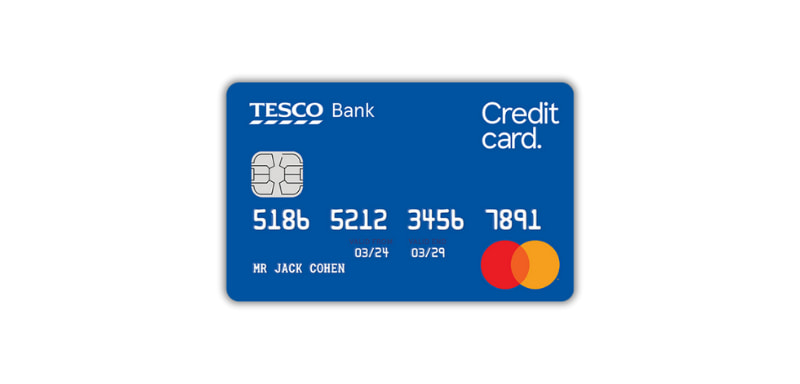
How to Choose the Right Credit Card and Use It Responsibly
Choosing a credit card is an important financial decision, not just a quick application you fill out online. With so many options available, understanding how credit cards work — and which one fits your situation — can help you avoid unnecessary fees, debt, and future credit problems.
A good credit card should support your financial goals, not complicate them.
Start by Understanding Your Goal
Before applying, it’s essential to know why you want a credit card. Some people need one to build or rebuild credit, while others want flexibility for everyday expenses or emergencies. Your objective will guide every decision that follows, from the type of card you choose to how you use it.
Applying for a card that doesn’t match your financial profile can result in higher interest rates, rejections, or features you simply won’t use.
Common Types of Credit Cards Explained
Credit cards are designed for different users and credit profiles. Understanding the main categories helps narrow your options and set realistic expectations.
| Credit Card Type | Best For | Main Features |
|---|---|---|
| Credit-Building Cards | Poor or limited credit | Easier approval, higher APR, lower limits |
| Secured Credit Cards | No credit history | Requires deposit, reports payment activity |
| Unsecured Cards | Fair to good credit | No deposit, moderate limits |
| Rewards Cards | Good to excellent credit | Cashback or points, stricter approval |
| Low-APR Cards | Carrying balances | Lower interest, fewer extras |
Each type serves a different purpose, and no single card is “best” for everyone.
Match the Card to Your Spending Profile
Your spending habits matter just as much as your credit score. If you plan to pay the balance in full every month, interest rates become less important than fees and usability. If you expect to carry a balance, a lower APR can significantly reduce long-term costs.
Being honest about how you’ll use the card helps you avoid choosing a product that works against you.
Approval Is Only the First Step
Getting approved for a credit card is not the end goal — it’s the beginning. How you use the card has a much bigger impact on your finances than which card you choose.
Payment history is one of the most important factors in credit scoring. Paying on time, every month, builds trust with lenders and strengthens your credit profile over time.
Use Your Credit Card the Right Way
Keeping balances low is just as important as paying on time. High credit utilization can negatively affect your credit score, even if you never miss a payment. Using your card for predictable, manageable expenses makes it easier to stay in control.
Avoid cash advances and impulse spending, especially in the early months, when good habits are still forming.
Building Long-Term Financial Health
A credit card should be treated as a financial tool, not extra income. When used responsibly, it helps build credibility, improve credit access, and create better financial opportunities in the future.
The right card, combined with disciplined usage, can turn a simple approval into steady, long-term progress — and that’s where real financial confidence begins.
Trending Topics
Citi Rewards Credit Card Review: Big Points, Bright Perks
Discover the Citi Rewards Credit Card: earn points, enjoy perks like phone insurance and cashback, and explore flexible redemption options.
Keep Reading
ANZ Personal Loans Review: A Loan personalized for you!
With same-day funding, and easy digital management, ANZ Personal Loans may fit your needs. Explore our review to see how they stack up.
Keep ReadingYou may also like

Australia’s Life Insurance Guide: Policies, Providers, and Tips
Find out how life insurance policies work in Australia. Compare benefits, drawbacks, and providers to make smarter choices.
Keep Reading
What Is a Balance Transfer and How Does It Work?
Discover how balance transfers work and when they actually help. A practical explanation for anyone managing credit card debt.
Keep Reading
Credit One Bank Secured Card Review: A Smart Path to Building Credit
Explore the benefits of the Credit One Secured Credit Card — from cash back rewards to monthly reporting that supports credit health.
Keep Reading