Paying high interest on credit card debt? A long-term balance transfer could help
Santander Everyday Long Term Balance Transfer Credit Card: Up to 34 months at 0%
Advertisement
If you’re dealing with high-interest credit card debt, the Santander Everyday Long Term Balance Transfer Credit Card offers one of the longer interest-free periods available on balance transfers. It’s a practical option for spreading repayments over time.
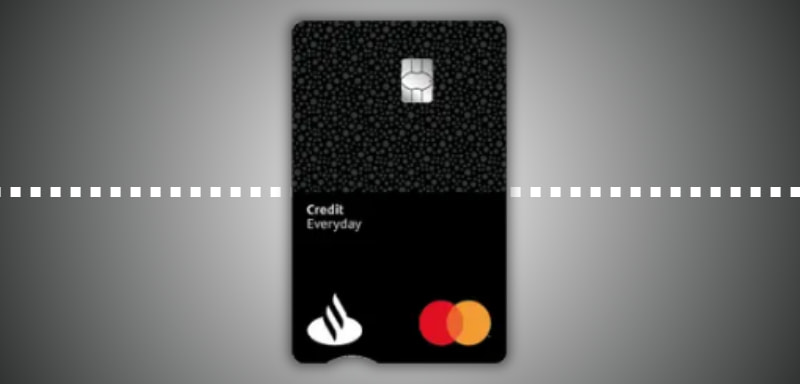
The Santander Everyday Long Term Balance Transfer Credit Card could be worth considering. Take a closer look at the full review to understand how the offer works and who it’s best suited for.
You will remain in the same website
“I wasn’t overspending — I just needed more time to pay things down”
See how Mark used a long-term balance transfer card to regain control of his debt
Mark is a 42-year-old IT support technician living in Milton Keynes, UK. Over the years, balances from older credit cards quietly added up. He always paid on time, but high interest meant his progress felt slow and frustrating.
Mark didn’t need extra credit or new purchases. He needed time without interest.
After comparing options, he applied for the Santander Everyday Long Term Balance Transfer Credit Card, issued by Santander UK. The long introductory balance transfer period stood out, giving him a realistic window to focus on repayment instead of interest.
He knew a balance transfer fee applied and that the promotional rate wouldn’t last forever. Still, the structure made sense: one balance, one payment, and a clear deadline.
Pros and cons Mark discovered
| Pros | Cons |
|---|---|
| Long balance transfer promotional period | Balance transfer fee applies |
| Reduces interest costs significantly | Promo rate is temporary |
| Combines multiple debts into one payment | Not suited for everyday spending |
| Clear repayment timeline | Standard APR after intro period |
Once approved, Mark transferred his balances and stopped using his old cards. With automated payments and no interest slowing him down, his balance finally started to fall at a visible pace.
The card didn’t eliminate his debt overnight — but it gave him time, structure, and momentum, which turned a long-standing problem into a manageable plan.
FAQ
It’s a credit card designed to help people move existing credit card debt and repay it over a longer introductory period, reducing interest pressure while creating a structured repayment timeline.
This card is ideal for people with existing credit card debt who need more time to repay balances and want to reduce the total interest paid over the long term.
A long-term balance transfer offers a longer introductory interest-free period than standard options, giving borrowers more flexibility to repay debt at a realistic pace without rushing payments.
Yes. You can usually transfer balances from more than one credit card, consolidating your debt into a single monthly payment that’s easier to track and manage.
Any remaining balance will begin accruing interest at the standard APR, which is why having a clear repayment plan before the intro period ends is essential.
It can. Making consistent on-time payments and reducing overall credit utilization may positively impact your credit profile when the card is managed responsibly.
Approval depends on your credit profile. While excellent credit isn’t always required, a history of on-time payments improves your chances significantly.
No. It’s a strategic tool meant to help you exit debt faster. The real goal is to pay off balances before interest returns and avoid relying on credit long-term.
How to Choose the Right Credit Card and Use It Responsibly
Choosing a credit card is an important financial decision, not just a quick application you fill out online. With so many options available, understanding how credit cards work — and which one fits your situation — can help you avoid unnecessary fees, debt, and future credit problems.
A good credit card should support your financial goals, not complicate them.
Start by Understanding Your Goal
Before applying, it’s essential to know why you want a credit card. Some people need one to build or rebuild credit, while others want flexibility for everyday expenses or emergencies. Your objective will guide every decision that follows, from the type of card you choose to how you use it.
Applying for a card that doesn’t match your financial profile can result in higher interest rates, rejections, or features you simply won’t use.
Common Types of Credit Cards Explained
Credit cards are designed for different users and credit profiles. Understanding the main categories helps narrow your options and set realistic expectations.
| Credit Card Type | Best For | Main Features |
|---|---|---|
| Credit-Building Cards | Poor or limited credit | Easier approval, higher APR, lower limits |
| Secured Credit Cards | No credit history | Requires deposit, reports payment activity |
| Unsecured Cards | Fair to good credit | No deposit, moderate limits |
| Rewards Cards | Good to excellent credit | Cashback or points, stricter approval |
| Low-APR Cards | Carrying balances | Lower interest, fewer extras |
Each type serves a different purpose, and no single card is “best” for everyone.
Match the Card to Your Spending Profile
Your spending habits matter just as much as your credit score. If you plan to pay the balance in full every month, interest rates become less important than fees and usability. If you expect to carry a balance, a lower APR can significantly reduce long-term costs.
Being honest about how you’ll use the card helps you avoid choosing a product that works against you.
Approval Is Only the First Step
Getting approved for a credit card is not the end goal — it’s the beginning. How you use the card has a much bigger impact on your finances than which card you choose.
Payment history is one of the most important factors in credit scoring. Paying on time, every month, builds trust with lenders and strengthens your credit profile over time.
Use Your Credit Card the Right Way
Keeping balances low is just as important as paying on time. High credit utilization can negatively affect your credit score, even if you never miss a payment. Using your card for predictable, manageable expenses makes it easier to stay in control.
Avoid cash advances and impulse spending, especially in the early months, when good habits are still forming.
Building Long-Term Financial Health
A credit card should be treated as a financial tool, not extra income. When used responsibly, it helps build credibility, improve credit access, and create better financial opportunities in the future.
The right card, combined with disciplined usage, can turn a simple approval into steady, long-term progress — and that’s where real financial confidence begins.
Trending Topics

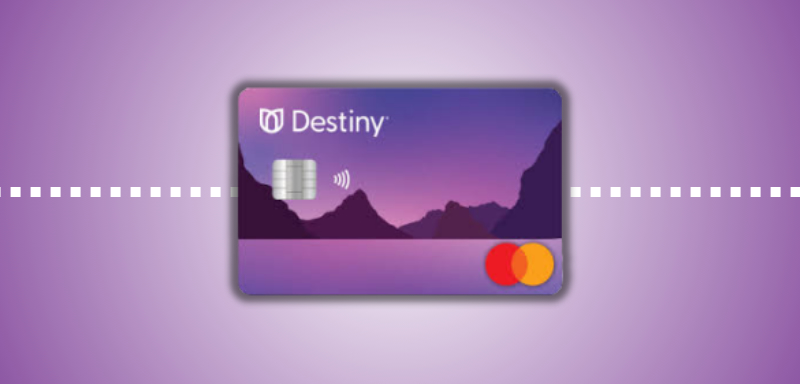
Destiny® Mastercard® Review: Up $700 credit limit – easy approval!
Considering the Destiny® Mastercard®? Review its fees, benefits, drawbacks, and credit-building potential.
Keep ReadingYou may also like

SocietyOne Personal Loans Review: A loan that fits you!
Borrow smarter with SocietyOne Personal Loans. Enjoy personalised rates, no monthly fees, and quick online process. Get your rate in minutes!
Keep Reading
Australia’s Life Insurance Guide: Policies, Providers, and Tips
Find out how life insurance policies work in Australia. Compare benefits, drawbacks, and providers to make smarter choices.
Keep Reading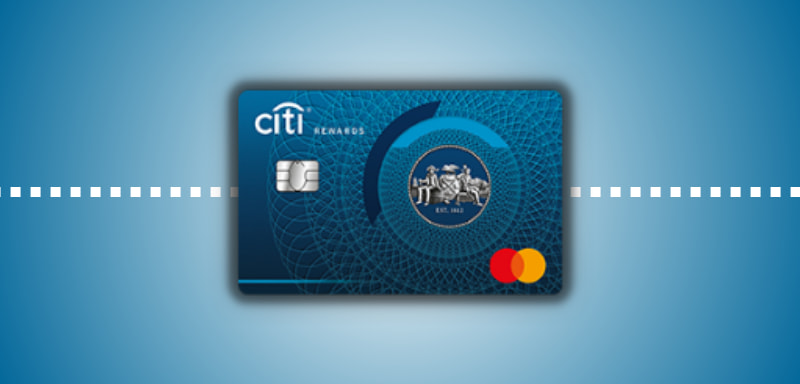
Citi Rewards Credit Card Review: Big Points, Bright Perks
Discover the Citi Rewards Credit Card: earn points, enjoy perks like phone insurance and cashback, and explore flexible redemption options.
Keep Reading