Want a flexible credit card with introductory perks? This might be a good place to start.
Post Office Credit Card: up to £8,000 credit limit!
Advertisement
If you’re exploring credit card options in the UK, the Post Office Credit Card stands out for introductory 0% interest on purchases and balance transfers (subject to status). There’s no annual charge, and your exact rates are tailored to your credit profile.
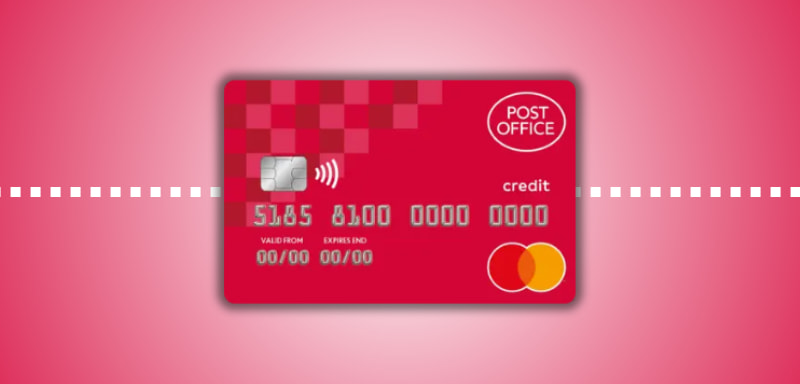
With no annual fee and potential introductory perks on purchases and transfers, this Post Office Credit Card might fit people who want to get more control over their credit costs.
You will remain in the same website
“I wanted one card I could actually manage — not another problem”
See how Helen used the Post Office Credit Card to simplify her finances
Helen is a 44-year-old office administrator living in York, UK. After a divorce and a period of financial adjustment, she found herself juggling everyday expenses while trying to keep her credit in decent shape. She didn’t need luxury perks — she needed reliability and control.
Helen had decent income stability, but her credit history wasn’t perfect. Some cards offered rewards she didn’t use, while others came with conditions that felt confusing or risky. What she wanted was a straightforward credit card, backed by a name she trusted.
That’s when she applied for the Post Office Credit Card, issued by Post Office Money.
The appeal was simplicity. The card offered clear terms, no unnecessary extras, and the flexibility to handle occasional larger expenses while spreading payments when needed. Helen understood that interest could apply if she carried a balance, but transparency mattered more to her than flashy benefits.
Pros and cons Helen discovered
| Pros | Cons |
|---|---|
| Simple, easy-to-understand terms | Interest applies if balances aren’t cleared |
| Suitable for everyday spending | No rewards or cashback program |
| Backed by a trusted UK brand | Not designed for credit building from scratch |
| Can help manage cash flow short-term | Approval depends on credit profile |
| Accepted widely for regular purchases | Standard fees apply if misused |
Helen used the card thoughtfully. She relied on it for planned expenses — car maintenance, household items, and occasional unexpected costs — always keeping her balance manageable. Some months she paid in full, others she spread payments carefully without letting debt grow.
Over time, the card helped her stabilize her finances rather than complicate them. She wasn’t chasing points or bonuses — she was maintaining consistency.
The Post Office Credit Card didn’t transform Helen’s finances overnight. But it gave her something far more valuable: a sense of control, predictability, and calm. And for her, that was exactly what the right credit card was supposed to do.
FAQ
The Post Office Credit Card is a general-use credit card designed for everyday spending, offering simple terms and flexibility for users who want a straightforward way to manage expenses.
The Post Office Credit Card is best suited for people looking for a reliable, easy-to-understand credit card without complex rewards or promotional conditions.
Yes. The Post Office Credit Card works well for regular purchases such as groceries, fuel, and household expenses when balances are managed responsibly.
Yes. Using the Post Office Credit Card responsibly, with on-time payments and low balances, can help maintain or improve your credit profile over time.
The Post Office Credit Card can be used internationally, but foreign transaction fees may apply, making it less ideal for frequent travel spending.
Missing a payment on the Post Office Credit Card can lead to fees, added interest, and potential negative impact on your credit score.
Credit limit increases on the Post Office Credit Card may be possible over time, depending on responsible usage and payment history.
The Post Office Credit Card isn’t designed to compete with rewards cards; it prioritizes clarity and usability over cashback or travel perks.
How to Choose the Right Credit Card and Use It Responsibly
Choosing a credit card is an important financial decision, not just a quick application you fill out online. With so many options available, understanding how credit cards work — and which one fits your situation — can help you avoid unnecessary fees, debt, and future credit problems.
A good credit card should support your financial goals, not complicate them.
Start by Understanding Your Goal
Before applying, it’s essential to know why you want a credit card. Some people need one to build or rebuild credit, while others want flexibility for everyday expenses or emergencies. Your objective will guide every decision that follows, from the type of card you choose to how you use it.
Applying for a card that doesn’t match your financial profile can result in higher interest rates, rejections, or features you simply won’t use.
Common Types of Credit Cards Explained
Credit cards are designed for different users and credit profiles. Understanding the main categories helps narrow your options and set realistic expectations.
| Credit Card Type | Best For | Main Features |
|---|---|---|
| Credit-Building Cards | Poor or limited credit | Easier approval, higher APR, lower limits |
| Secured Credit Cards | No credit history | Requires deposit, reports payment activity |
| Unsecured Cards | Fair to good credit | No deposit, moderate limits |
| Rewards Cards | Good to excellent credit | Cashback or points, stricter approval |
| Low-APR Cards | Carrying balances | Lower interest, fewer extras |
Each type serves a different purpose, and no single card is “best” for everyone.
Match the Card to Your Spending Profile
Your spending habits matter just as much as your credit score. If you plan to pay the balance in full every month, interest rates become less important than fees and usability. If you expect to carry a balance, a lower APR can significantly reduce long-term costs.
Being honest about how you’ll use the card helps you avoid choosing a product that works against you.
Approval Is Only the First Step
Getting approved for a credit card is not the end goal — it’s the beginning. How you use the card has a much bigger impact on your finances than which card you choose.
Payment history is one of the most important factors in credit scoring. Paying on time, every month, builds trust with lenders and strengthens your credit profile over time.
Use Your Credit Card the Right Way
Keeping balances low is just as important as paying on time. High credit utilization can negatively affect your credit score, even if you never miss a payment. Using your card for predictable, manageable expenses makes it easier to stay in control.
Avoid cash advances and impulse spending, especially in the early months, when good habits are still forming.
Building Long-Term Financial Health
A credit card should be treated as a financial tool, not extra income. When used responsibly, it helps build credibility, improve credit access, and create better financial opportunities in the future.
The right card, combined with disciplined usage, can turn a simple approval into steady, long-term progress — and that’s where real financial confidence begins.
Trending Topics


Bank Australia Lifestyle Personal Loan review: For both small and big plans
A loan that aligns with your values? The Bank Australia Lifestyle Personal Loan combines great features with a commitment to sustainability.
Keep Reading
You may also like
TSB Platinum Balance Transfer Card Review: 0% Up to 38 Months
Learn about the TSB Platinum Balance Transfer Card in the UK, its 0% balance transfer period, representative APR, and fees.
Keep Reading