Credit Cards
Balance Transfer Credit Card Options to Apply in the UK
From 0% intro periods to smart repayment strategies, this guide explains how balance transfer cards can work for you.
Advertisement
Struggling With Credit Card Debt? Balance Transfer Cards Can Help You Take Back Control
If juggling multiple credit card bills feels like spinning plates while riding a unicycle… breathe. You’re not alone.
Credit cards for balance transfer and debt consolidation exist for exactly this reason: to simplify your finances, reduce interest, and give you breathing room to get back in control.
Think of them as a financial reset button — not magic, but very powerful when used wisely.
Balance Transfer Credit Cards to Check Today

Balance transfer credit cards are designed to help you move existing debt from one or more cards onto a new card with a long 0% interest period.
Below are some popular options worth checking today, each with slightly different perks depending on how long you need to repay and how you manage your money.
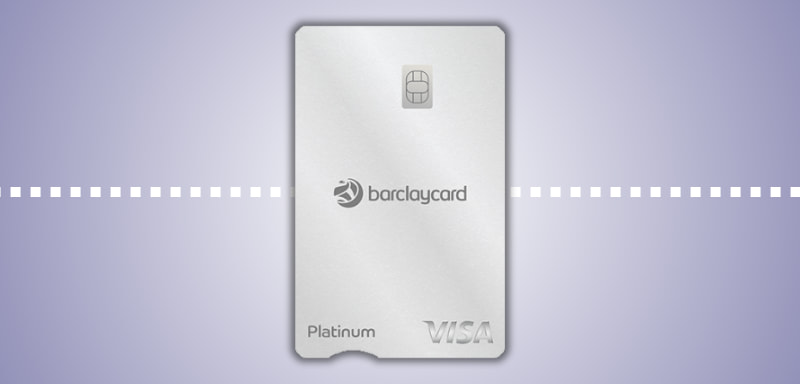
Barclaycard Platinum Balance Transfer Credit Card
The Barclaycard Platinum Balance Transfer Credit Card is well known for its long 0% interest period, making it ideal for people who need time to clear existing balances without pressure.
Issued by one of the UK’s most established banks, it also includes helpful tools to track spending and manage repayments online.
| Pros | Cons |
|---|---|
| Up to 36 months of 0% interest | Balance transfer fee applies |
| Trusted, established issuer | No rewards or cashback |
| Strong online account management | High APR after promo period |
| Good for long-term planning | Approval depends on credit score |
HSBC Balance Transfer Credit Card
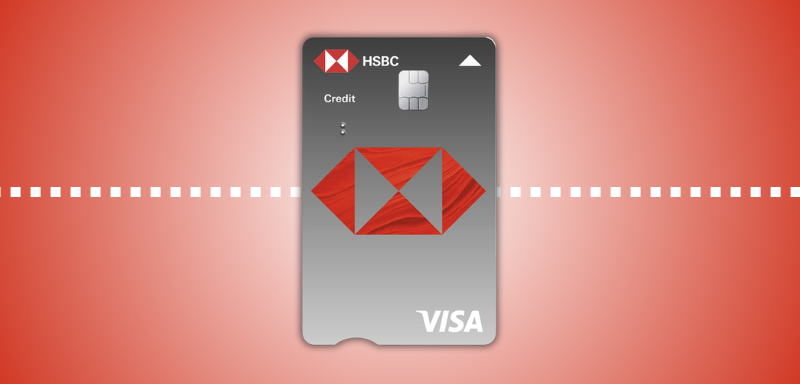
HSBC’s Balance Transfer Credit Card is a solid option for those who value stability and global banking experience.
It offers a competitive 0% introductory period and is supported by HSBC’s robust digital banking platform, making it easy to manage balances, payments, and due dates in one place.
| Pros | Cons |
|---|---|
| Competitive introductory 0% period | Balance transfer fee applies |
| Backed by a global bank | Fewer perks than premium cards |
| Reliable customer support | Strict eligibility criteria |
| Easy online and mobile banking | Standard APR after promo |
Tesco Balance Transfer Credit Card
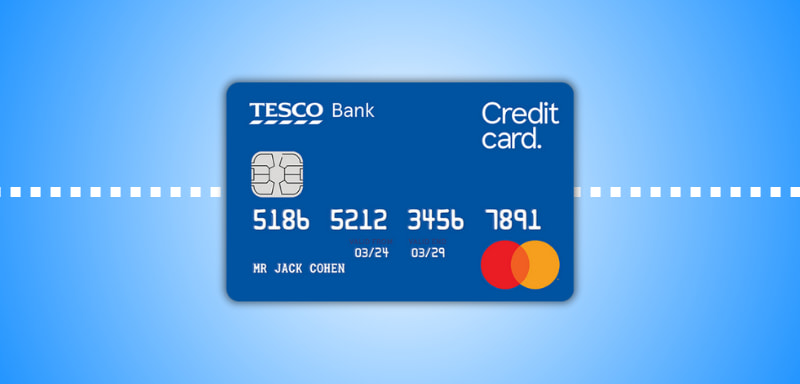
The Tesco Balance Transfer Credit Card stands out for its long 0% period and the familiarity of the Tesco brand.
Issued in partnership with a major bank, it combines practical debt management features with Clubcard compatibility, which can be a nice bonus for loyal Tesco shoppers.
| Pros | Cons |
|---|---|
| Up to 36 months interest-free | Balance transfer fee required |
| Trusted high-street brand | Rewards are limited |
| Useful online tools | High APR after 0% period |
| Clubcard-linked benefits | Requires good credit score |
TSB Platinum Balance Transfer Card
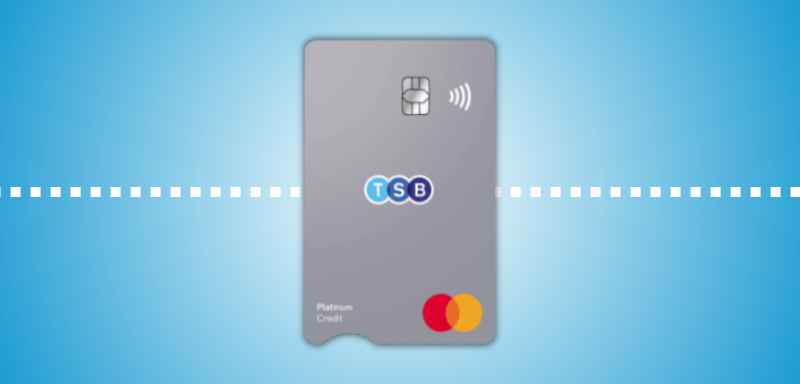
The TSB Platinum Balance Transfer Card is designed for simplicity and transparency. It offers a generous 0% balance transfer period and is issued by a bank known for its customer-first approach.
It’s a good fit for those who want a straightforward card without unnecessary extras.
| Pros | Cons |
|---|---|
| Long 0% balance transfer offer | Balance transfer fee applies |
| Clear, simple terms | No rewards programme |
| User-friendly mobile app | Higher APR after promo |
| Strong customer service | Approval not guaranteed |
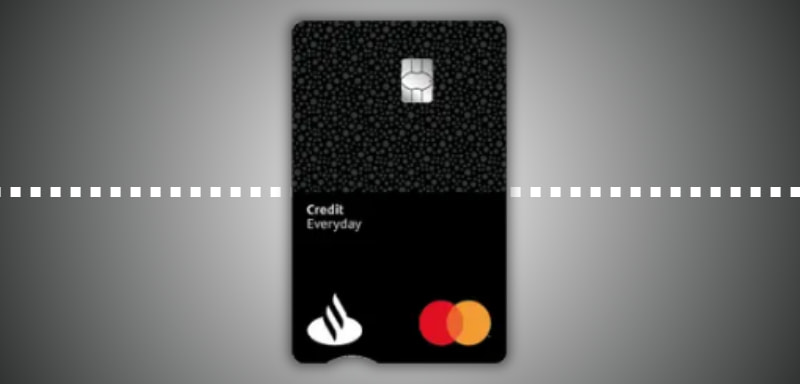
Santander’s Everyday Long Term Balance Transfer Card
Santander’s Everyday Long Term Balance Transfer Card focuses on extended interest-free periods and practical money management.
Issued by one of the largest banks in the market, it’s built for people who want predictability and a long runway to pay down debt at their own pace.
| Pros | Cons |
|---|---|
| Long 0% introductory period | Balance transfer fee applies |
| Strong banking infrastructure | No cashback or rewards |
| Reliable digital tools | High standard APR later |
| Good for large balances | Requires good credit history |
What Is a Balance Transfer?
A balance transfer is exactly what it sounds like: moving debt from one credit card (or several) to another. The main attraction is the 0% interest period, which allows you to focus on repaying the actual debt instead of watching interest pile up every month.
Instead of making multiple payments with different due dates and interest rates, you consolidate everything into one card. This makes budgeting easier and, if you’re disciplined, can significantly reduce how much you pay overall.
How Balance Transfer Credit Cards Work
Balance transfer credit cards are built specifically for debt management. After approval, you transfer existing balances onto the new card, usually paying a one-time balance transfer fee.
In return, you get an introductory period with 0% interest, giving you a clear window of time to reduce or eliminate your debt faster.
The key detail is timing. Interest-free periods don’t last forever, and once they end, standard interest rates apply.
That’s why these cards work best when you see them as a temporary tool, not a long-term place to park debt.
How to Choose the Right Balance Transfer Credit Card

Not all balance transfer cards are created equal, and choosing the right one depends on your personal situation.
Start by looking at the length of the 0% introductory period. If you need more time to repay, a longer period can offer valuable breathing room.
Next, consider the balance transfer fee. A slightly shorter 0% period with a lower fee can sometimes be cheaper overall. Finally, check eligibility criteria and post-introductory APRs, so there are no surprises later.
Understanding Introductory 0% Periods
Introductory periods are the heart of balance transfer credit cards. During this time, interest on transferred balances is paused, allowing every payment you make to go directly toward reducing the debt.
However, these periods are fixed. Miss a payment or exceed your credit limit, and the 0% offer could be withdrawn early.
Setting up automatic payments and tracking your remaining months can help you stay safely within the rules.
Managing a Balance Transfer Card Responsibly
Responsible management is what turns a balance transfer card into a success story instead of a cautionary tale.
The most important rule is simple: avoid new spending on the card. New purchases often accrue interest immediately, even during the 0% balance transfer period.
It also helps to create a clear repayment plan from day one. Divide your balance by the number of interest-free months and treat that figure as a non-negotiable monthly payment.
Effective Strategies to Reduce Interest and Pay Debt Faster
To truly benefit from a balance transfer, strategy matters. Paying more than the minimum each month dramatically shortens repayment time.
If possible, use windfalls like bonuses or tax refunds to make lump-sum payments during the 0% period.
Another smart move is reviewing your budget and redirecting money from non-essential spending toward debt repayment. Every extra pound paid now is interest avoided later, which is the real win of using balance transfer credit cards correctly.
What Is Debt Consolidation?
Debt consolidation is the broader strategy behind balance transfers. It means combining multiple debts into a single payment.
A balance transfer credit card is one way to do this, but it’s not the only one.
The goal is always the same: simplify your finances, lower your interest rate, and create a clear repayment plan. When done right, debt consolidation can reduce stress and help you become debt-free faster.
How to Evaluate If a Balance Transfer Is a Good Option
Before applying, it’s important to pause and ask yourself a few honest questions. Do you have a plan to repay the balance before the 0% period ends? Can you avoid using the card for new spending? Are the balance transfer fees worth the interest you’ll save?
If the numbers make sense and you’re committed to repayment, a balance transfer can be a smart move. If not, it can simply delay the problem rather than solve it.
When a Loan Might Be the Better Choice
In some cases, a personal loan may be a better debt consolidation option. This is often true if your credit score isn’t strong enough for the best balance transfer offers, or if your debt is very large and spread across different types of credit.
Loans offer fixed monthly payments and clear end dates, which some people find easier to manage. While interest rates may be higher than 0%, the structure can provide more discipline and predictability.
Final Thoughts
Credit cards for balance transfer and debt consolidation can be incredibly helpful tools — when used with intention. They’re not a quick fix, but they can absolutely be a smart stepping stone toward financial freedom.
The key is having a plan. Choose the right card, understand the terms, and commit to paying down your balance. Your future self (and your bank balance) will thank you.

Balance Transfer vs Paying the Minimum
Paying the minimum or using a balance transfer leads to very different outcomes. Learn how each option impacts interest and repayment.
Trending Topics
Coles No Annual Fee Mastercard: More Money for What Matters!
Learn how the Coles No Annual Fee Mastercard can help you save. Earn rewards, enjoy no annual fees, and get an intro zero-interest period.
Keep Reading
Greater Bank Unsecured Personal Loan review: No monthly fees!
Get the facts on the Greater Bank Unsecured Personal Loan. A no-collateral option with quick approvals—learn if it’s right for you.
Keep ReadingYou may also like
Capital One QuicksilverOne: Earn Unlimited 1.5% Cash Back Even with Fair Credit
See how QuicksilverOne gives you simple cash back every day, and $0 fraud liability, even with fair credit.
Keep Reading